

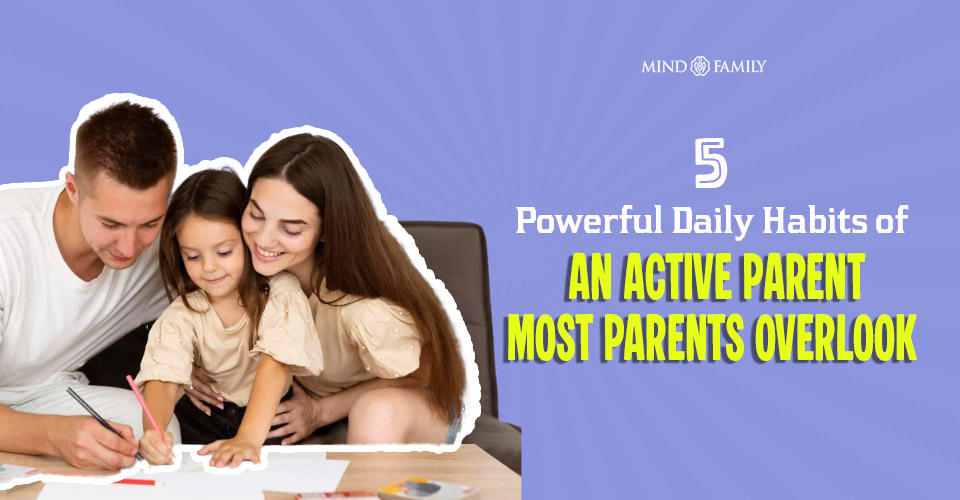
Parenting doesn’t get harder because kids change. It gets harder when we start parenting on autopilot.
Some parents seem to have a deeper bond with their kids, almost effortlessly. Whereas many parents are present physically but absent emotionally. That’s where active parenting makes all the difference.
So, let’s break down 5 everyday habits of active parenting that quietly shape stronger, happier kids and why they matter more than you think.
5 Everyday Active Parenting Habits That Build Confident Kids
1. They Listen to Connect, Not to Control
When your child talks, you resist interrupting or fixing the issue right away. Stop doing it now.
This parenting style values conversation over authority, helping children feel respected.
Being heard builds emotionally secure children, making kids more open, expressive, and emotionally balanced.
Related: How To Homeschool Your Kids: 5 Effective Tips To Make Learning Easier
2. They Choose Presence Over Convenience

Busy schedules are normal. But never wait for “extra time” to connect with your child. An active parent shows up even when it’s inconvenient.
You listen to school stories while cooking dinner or attend their practice sessions after a long day. These moments tell your child, “You matter,” reinforcing emotional security. This kind of parental participation in education and daily life helps children feel seen.
3. They Create Calm Structure Instead of Fear-Based Rules
Rules exist in every household, but how you enforce them matters more. In this parenting style, calm consistency is more important than yelling or threats.
You explain expectations clearly and follow through without intimidation. This predictable environment helps your child feel safe enough to explore and grow.
4. They Participate in Learning Beyond Homework
Grades aren’t the full picture of learning. Parental participation in education means showing interest, not just checking results.
You ask what excited your child today or explore their interests together. Learning becomes something you share, not something you supervise.
This involvement tells your child that education isn’t just a requirement, it’s a meaningful part of life.
5. They Encourage Independence Without Emotional Distance
Doing everything for kids feels helpful, but it limits growth. A parent should teach independence while staying emotionally available.
You let your child make age-appropriate choices and learn from outcomes. At the same time, you stay nearby as a steady guide. This approach helps children trust themselves.
Related: Impacts Of Neglectful Parenting: 10 Silent Scars You Need To be Aware
Simple Parenting Tips for Parents Who Want to Be More Active

Here are a few realistic tips to strengthen their active role:
- Practice active listening, even when you’re tired
- Set boundaries calmly and consistently
- Encourage independence through daily choices
- Stay involved without micromanaging
Final Thoughts: Why Active Parenting Shapes Stronger Futures?
At its core, active parenting isn’t about doing more; it’s about being more present. When you listen, guide, and stay present, your child feels safe, capable, and valued. That sense of emotional security becomes their foundation for relationships, learning, and self-trust.
Most importantly, active parenting doesn’t just raise better kids. It builds stronger humans, one moment at a time.
Frequently Asked Questions(FAQs)
What is active parenting?
Active parenting means staying intentionally involved in your child’s daily life, emotions, and growth. You listen, mentor, and offer an example of good behaviour rather than merely imposing regulations. You attend to your child’s needs, speak honestly, and use ordinary experiences rather than only punishment or rules to teach them life lessons.
What does it mean to be an active parent?
Being an active parent means being emotionally present and involved in your child’s daily life, not just being physically around. This includes listening, communicating calmly, setting healthy boundaries, and guiding your child through challenges. Active parenting helps build trust, improve behaviour, and support your child’s emotional and mental development.
What are the 4 types of parenting styles?
The four main parenting styles describe how parents guide, discipline, and connect with their children:
1. Authoritative parenting – High warmth and clear rules. Parents set boundaries but listen and encourage independence.
2. Authoritarian parenting – Strict rules with little flexibility. Obedience is expected without much discussion.
3. Permissive parenting – Very loving but few rules or limits. Children have lots of freedom.
4. Uninvolved (neglectful) parenting – Low involvement and guidance, with minimal emotional support.




Leave a Reply