

Giving your child everything they want or providing a great education doesn’t automatically make you a better parent. In real life, parenting happens in the small, everyday moments, especially in the way you speak, react, and communicate at home. Your child watches you closely. You are their mirror, and your words shape how safe and supported they feel.
As parents, you can unknowingly have certain conversations in front of your kids that can do real damage to their emotional well being. Learning the right communication tips for parents helps you protect your child’s emotional safety and build trust that lasts.
If you’re wondering how to become a better parent, it often starts with noticing what you say around your kids. Let’s explore the 5 topics you should never discuss in front of children and why being mindful of your words matters more than you think.
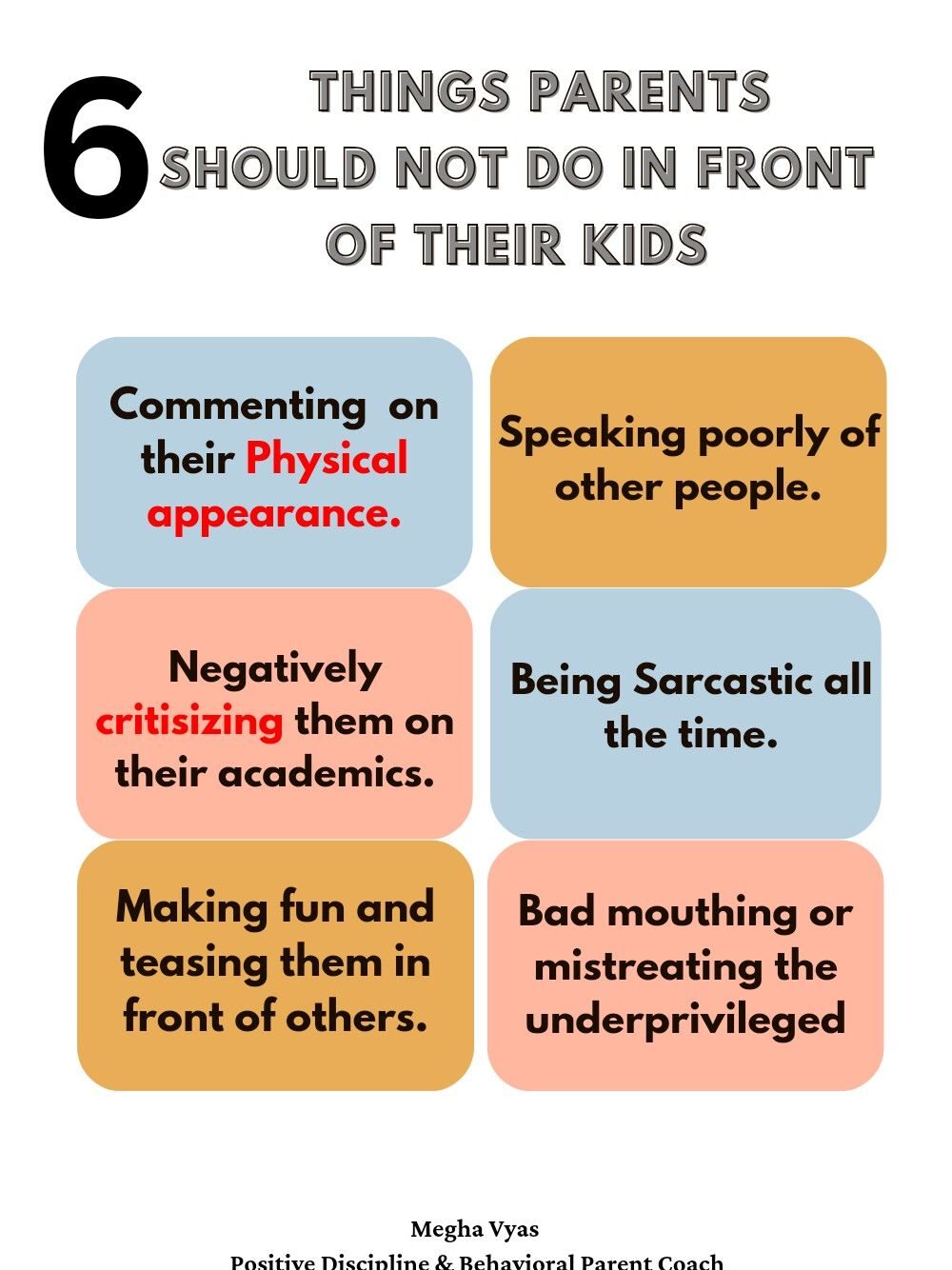
5 Topics Parents Must Avoid Discussing Around Children (With Practical Communication Tips for Parents)
Here are 5 topics to avoid in front of your children for active parenting:
1. Arguing or Blaming One Another
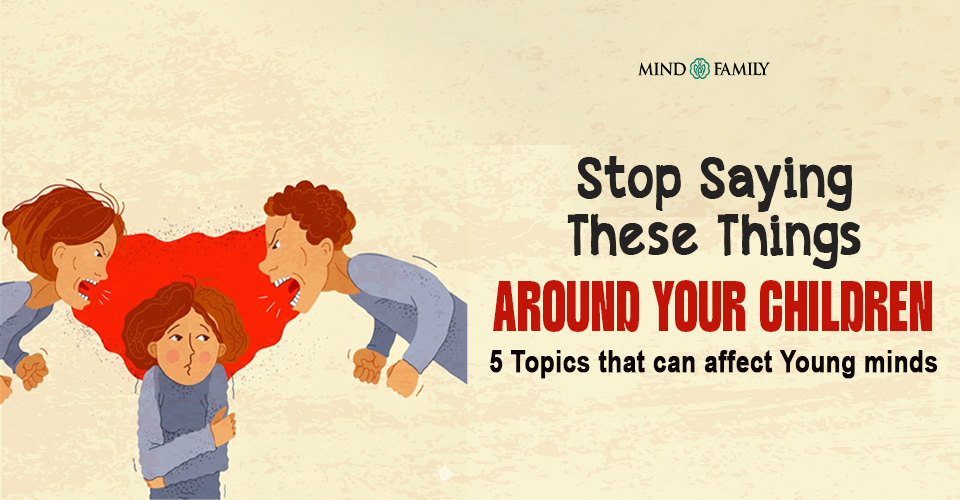
When you argue with or blame your partner in front of your child, you teach them that conflict means shouting, fear, or emotional pain. Your child doesn’t understand the context of the disagreement, they only feel unsafe.
Your child may also start copying the language and tone you use during arguments, including swear words. One of the most effective communication tips for parents is to handle disagreements calmly and privately. When you resolve conflict respectfully, you show your child how healthy communication works; an essential part of active parenting.
Related: 10 Most Disturbing Parenting Behaviors and Their Effects on Children
2. Speaking Negatively About Relatives
When you speak badly about relatives in front of your child, you place them in an emotionally confusing position. Your child loves their family and doesn’t know how to handle mixed messages.
Over time, negative talk can teach your child to judge others harshly or build resentment. Your child may even worry that you might speak about them the same way one day. Using positive parenting techniques, such as keeping adult conflicts private and choosing respectful words, helps your child learn empathy and emotional balance.
3. Explicit or Adult Conversations
When you engage in explicit talk or sexual behaviour around your child, you expose them to ideas they are not ready to understand. Even if you think your child isn’t paying attention, they often are.
With children already exposed to adult content through media, you need to set clear boundaries at home. At the same time, it’s healthy for your child to see appropriate affection. When you hug, hold hands, or show gentle affection, you teach your child about love, safety, and security in a healthy way.
4. Financial Stress and Adult Money Problems
When your child overhears conversations about money stress, they often imagine the worst. Your child may worry about losing their home or believe they are causing the problem.
One helpful piece of advice for new parents is to reassure your child using simple, calm language. When you say things like, “We’re making smart choices with our money,” you help your child feel safe and supported without burdening them with adult worries.
Related: 10 Helpful Tips For Parenting Teen Boys Every Parent Should Know
5. Comparing Your Child to Others
When you compare your child to siblings, classmates, or friends, you damage their self-confidence. Even if you mean to motivate, your child often hears, “I’m not good enough.”
Instead, focus on your child’s individual strengths and efforts. Using positive parenting techniques such as encouragement and appreciation supports your child’s emotional development and helps them grow into confident adults.

Final Thoughts: Communication Tips for Parents
Your child copies how you speak, react, and manage stress. They learn emotional habits long before they can put their feelings into words.
If you’re wondering how to become a better parent, one of the simplest communication tips for parents is to pause and filter your words before you speak. Often, it’s not about avoiding certain topics, it’s about changing how you talk about them so your child doesn’t misunderstand or feel unsafe.
This mindful approach is at the heart of active parenting. When you choose your words carefully, you help your child feel secure, understood, and confident.
Remember, you don’t need to hide reality from your child, you just need to present it in a way that’s healthy and age-appropriate. Your child will face these topics one day, but only when they’re ready.
Frequently Asked Questions (FAQ’s)
How to avoid a fight in front of your child?
To avoid a fight in front of your child, pause the conversation when emotions run high and agree to talk later in private. Remain composed and use polite language. Active parenting in daily family life and emotional development are supported by modelling healthy communication, which teaches children how to manage conflict in a safe manner.
How should parents communicate with their children?
Parents should communicate with their children in a way that is calm, clear, and age-appropriate. Listening without interrupting, validating their feelings, and choosing words carefully helps build trust. Open and honest communication makes children feel safe, understood, and more confident sharing their thoughts and concerns.
How to become a better parent?
To become a better parent, focus on being patient, present, and supportive. Listen to your child, set clear and fair rules, and lead by example. Spend quality time together and respond calmly during challenges. Growth in parenting comes from learning, adapting, and building a strong, trusting connection with your child.






Leave a Reply