

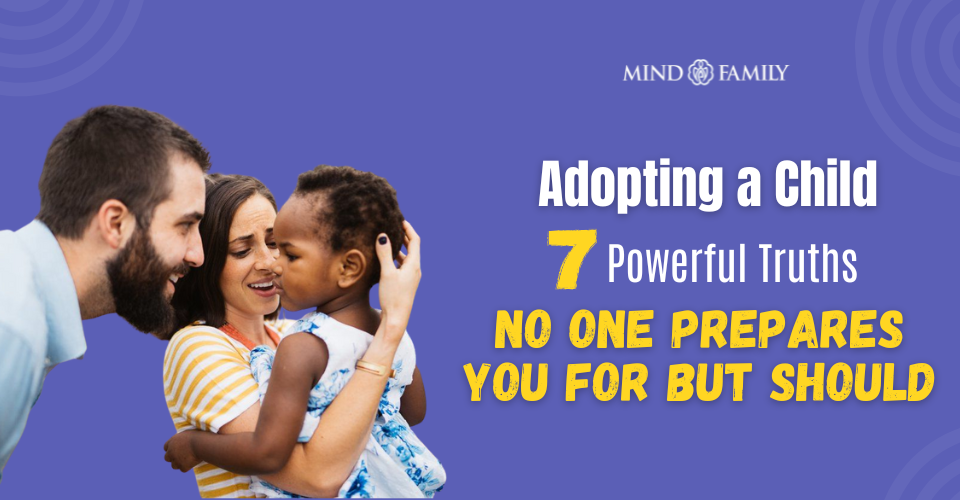
No one really tells you this before adopting a child, but the paperwork is the easy part. The real parenting begins when you grow together, taking care of both sides is the primary thing for their emotional journey.
You may walk into an adoption center feeling hopeful, nervous, and ready. But what unfolds after adopting a child isn’t just about forming a family; it’s about learning, unlearning, and growing together.
Below are 7 honest truths about adopting a child, written for you, your child, and the family you are building.
7 Realities That Adoptive Parents Should Understand Today
1. Open Adoption Expands Love, It Doesn’t Replace You
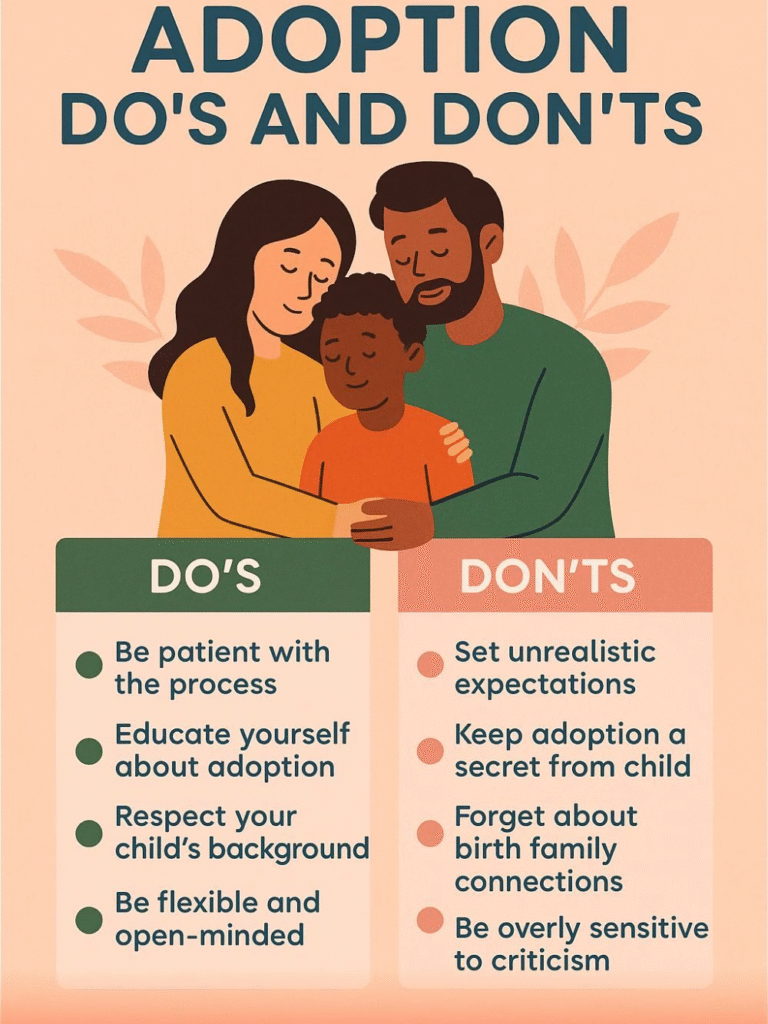
Your child may have contact with their birth parents, which might include letters, calls, or occasional visits. And yes, it can feel intimidating at first.
You need to understand, adoption is not about taking your place; it’s about expanding love. When adoptive parents model respect toward birth parents, children feel less confused and more emotionally secure.
Related: 5 Powerful Daily Habits of An Active Parent Most Parents Overlook
2. Your Child’s Identity Will Shift, and That’s Healthy
As your child grows, it is okay to have questions in their mind about their biological mom or wonder why adoption happened at all. They might have mixed feelings, like feeling proud today and conflicted the other day.
Your role isn’t to have perfect answers. It’s to create a space where curiosity is safe, and emotions are welcomed, not avoided. That openness strengthens trust between you and your child.
3. Transracial Adoption Requires More Than Good Intentions
When adopting a child from a different race or culture, love alone isn’t enough. Being “colorblind” can unintentionally silence your child’s lived experiences.
Intentional parenting means learning, listening, and celebrating your child’s heritage. This can range from choosing a different school, church, or neighborhood to allowing them to learn more about their own culture. These sacrifices send a powerful message: You belong exactly where you are.
4. Honesty Builds Safety Faster Than Protection Ever Will
The wrong thing that many adoptive parents do is that they fear saying the truth or avoiding it. But silence and half-truths are much more dangerous.
When you speak positively about adoption, your child mirrors that confidence. Honesty builds trust, and trust builds emotional security that lasts a lifetime.
5. Emotional Distance Is Often Self-Protection, Not Rejection
There may be moments when your child pulls away, resists closeness, or tests boundaries. Do not interpret this as a sign of rejection; it’s often just their way of protecting themselves.
Children who’ve experienced loss often guard themselves before they feel safe.
Your patience and consistency teach them that love doesn’t disappear under pressure. Security is built slowly, but it lasts longer.
6. Adoption Is Permanent, Even When the Path Changes
Adopting a child isn’t a phase or a contract with conditions. It’s a lifelong commitment that the whole family has to be responsible for.
Whether your child lives under your roof or needs space later in life, your role remains.
Forever means showing up, even when things look different than expected.
7. Everyday Language Creates a Sense of Belonging
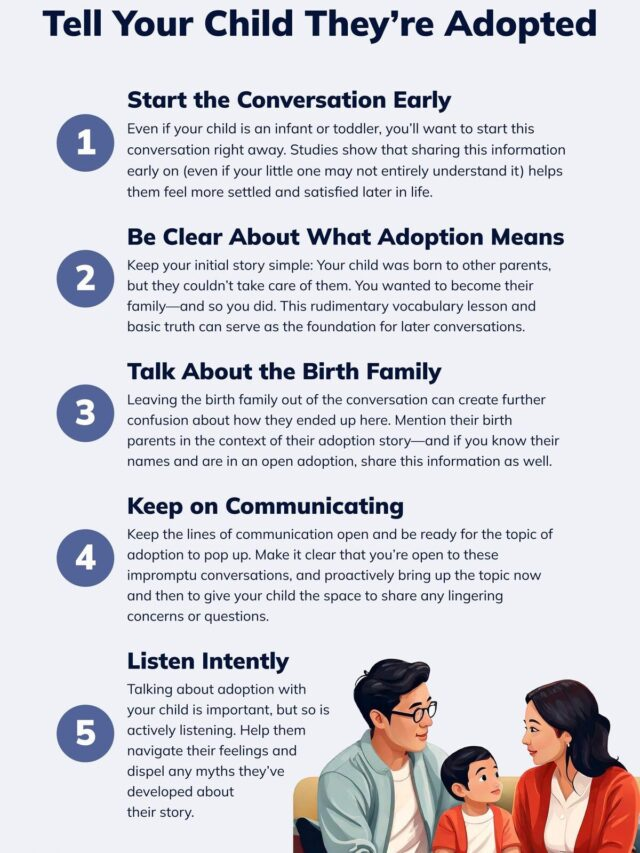
Using “we”, our home, our family, we’re going together, matters more than you think. Connection is built in small moments. Communication turns a house into a home.
Talking openly at every age strengthens bonds and reduces fear. Communication turns a house into a home.
Related: Stop Saying These Things Around Your Children: 5 Topics That Can Affect Young Minds
Final Thoughts: Adopting a Child Changes You Too
Adopting a child doesn’t just build a family; it’s about becoming a different version of yourself, it reshapes who we are.
There will be moments of doubt, exhaustion, and fear. But there will also be healing, connection, and a love deeper than you imagined.
When you choose openness, patience, and commitment, you have to remember always that you are not just raising adopted children, but you are building families rooted in love, trust, and a lifelong connection.
Frequently Asked Questions(FAQs)
Who are the adoptive parents?
Adoptive parents are individuals or couples who choose to legally and emotionally take responsibility for a child not born to them. They provide love, stability, and care, committing to raising the child as their own and supporting their growth, identity, and well-being.
What are the differences between domestic, foster, and international adoption?
Domestic adoption involves adopting a child born within your own country, often through an agency or private arrangement. Foster adoption comes through the foster care system, usually involving children who cannot return to their birth families. International adoption involves adopting a child from another nation and includes additional legal, cultural, and immigration processes.
What is the best age to adopt a child?
There’s no single “best” age to adopt a child. It depends on your readiness, lifestyle, and ability to meet a child’s needs. Some families bond well with infants, while others find deep connection and fulfillment adopting older children or teens.





Leave a Reply