

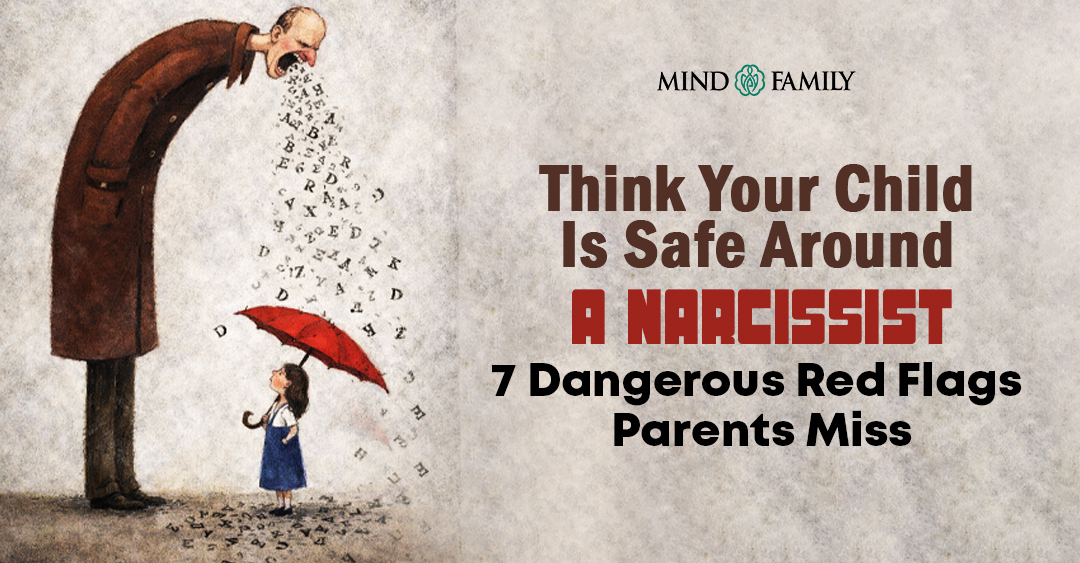
As parents, you don’t just worry about scraped knees or bad grades. You worry about the invisible things like their emotional safety, trust, and who has access to your child’s inner world. This is the time when your child grows; you need to be very careful at this time. Careful with both the minimal things and the maximal things in their lives.
The hard truth is this: childhood narcissistic abuse rarely looks dangerous at first.
It hides behind charm, sarcasm, “discipline,” and even affection. That’s why so many parents miss it until real damage is done.
If we want to protect our kids, we must learn to recognize the quiet warning signs, especially when a narcissist is involved. Below are 7 overlooked red flags that signal emotional danger and what you can do to protect your child.
7 Warning Signs That Point to Childhood Narcissistic Abuse
1. The Home Feels Tense, Not Safe
What you want is peace and stability. Instead, what you get is constant tension. In families affected by childhood narcissistic abuse, children learn to walk on eggshells.
Joy gets replaced by fear of “doing something wrong,” a common pattern when having a narcissistic parent. But this isn’t normal. It’s emotional conditioning.
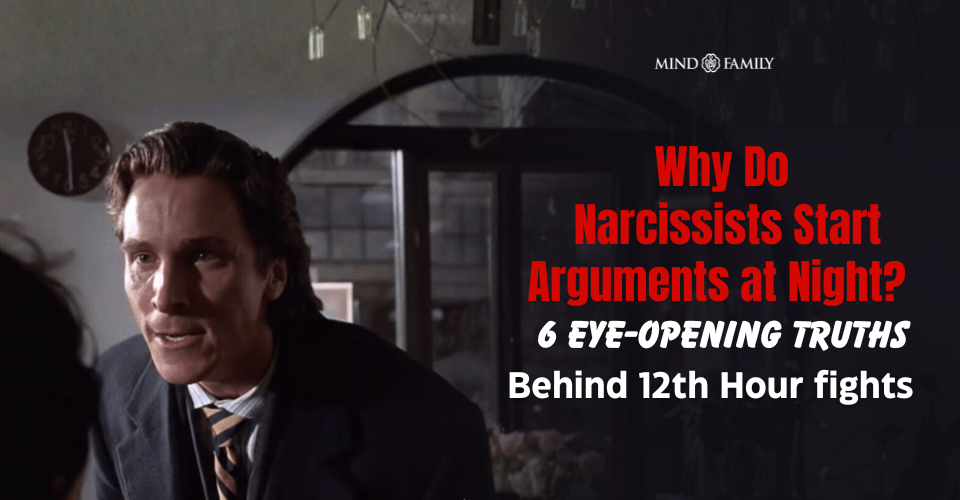
Related: Why Do Narcissists Start Arguments at Night? 6 Eye-Opening Truths Behind 12th Hour fights
2. Your Child Becomes “Too Good” or Too Quiet
Children exposed to narcissistic people often change silently. They become overly responsible, perfectionistic, or desperate to please.
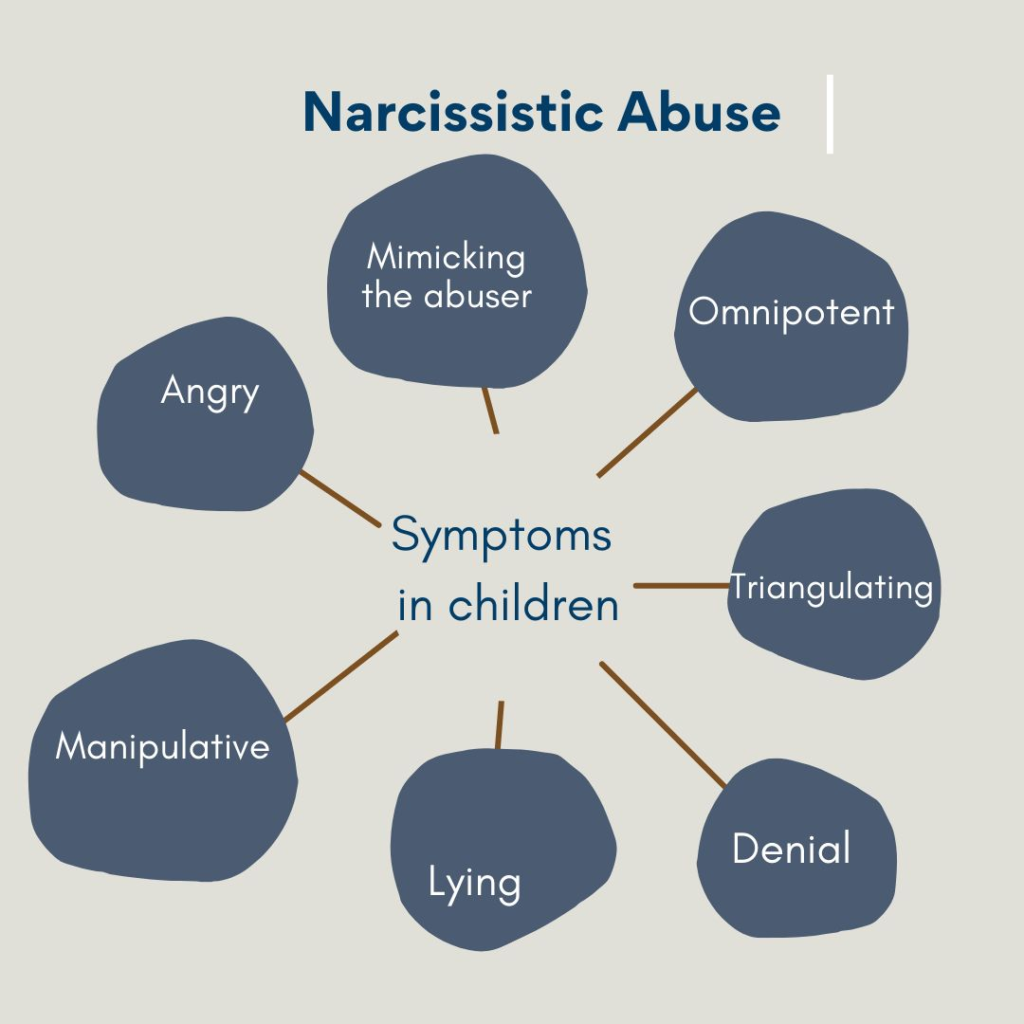
You may notice your child constantly seeking approval or becoming anxious around one adult.
These aren’t phases, they’re survival behaviors linked to childhood emotional neglect.
3. Your Instincts Keep Sounding the Alarm
Most parents feel something is wrong before their child can explain it. That tight feeling in your chest matters.
You might recognize patterns from your own past or sense your child shrinking emotionally. That intuition is often the first step toward identifying being abused by a narcissist in real time.
Always remember, awareness is protection.
4. Gaslighting and Criticism Are Framed as ‘Jokes’
Let’s be specific. These behaviors are not “quirks.” They are warning signs.
A narcissist may say things like:
“You’re too sensitive,” or “That never happened,” or even “That’s good, but you could’ve done better.”
In this situation, over time, children begin doubting their own reality.
5. They Undermine You as the Parent
One of the most dangerous signs is subtle parental sabotage. They will make fun of you in front of your child, creating doubt about whether you’re good for them.
Statements like “Don’t tell Mom” or “Dad doesn’t get it” confuse your child. This tactic is common with an abusive narcissistic parent and fractures trust inside the family.
Division creates control.
6. The Effects Follow Children Into Adulthood
Children raised around narcissists often struggle later with self-worth and trust. These are common outcomes for children raised around narcissists.
Many adults don’t realize they were affected by being abused by a narcissist until years later. These patterns are deeply rooted in childhood emotional neglect and don’t fade without awareness.
7. Affection Is Conditional, Not Consistent
Narcissists often withhold affection as punishment. Children start blaming themselves instead of questioning the behavior. They ask, “What did I do wrong?” instead of “Why is this happening?”
This is the lasting wound of childhood narcissistic abuse, and it lasts.
Related: 10 Narcissistic Parents From Disney Movies That Take Toxicity To The Next Level
Why Awareness Is the First Line of Defense
When you can name narcissistic behavior, it loses its power. You stop normalizing harm and start protecting your child.
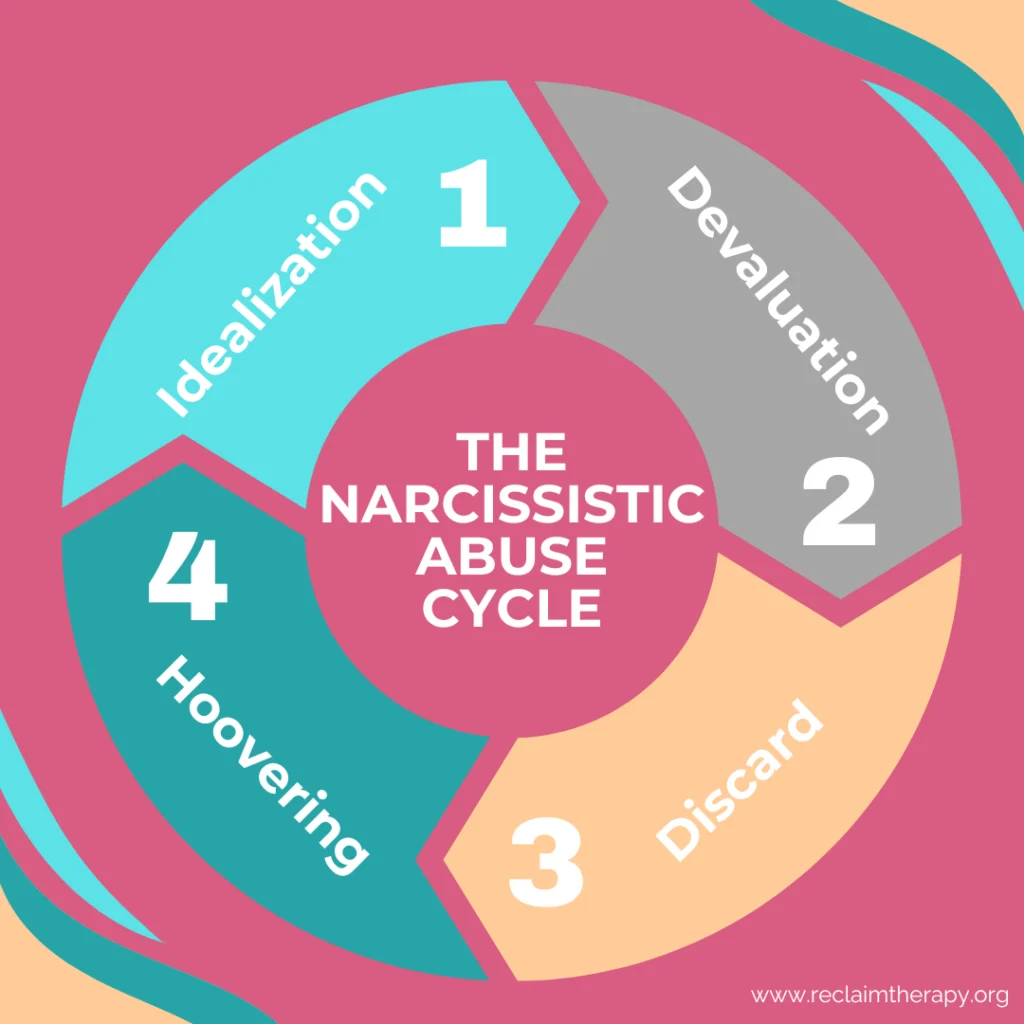
Understanding these patterns is the first step toward breaking the cycle of narcissistic abuse.
Your child doesn’t need perfection. They need safety. They need consistency.
And we have to give them that.
Final Thoughts: Choosing Protection Over Silence
Childhood is where emotional blueprints are formed. The atmosphere they live in should be treated as the primary concern. To them, love should feel safe, not conditional, confusing, or painful.
Spotting childhood narcissistic abuse early doesn’t mean you failed as a parent. It means you’re awake.
By recognizing red flags, addressing harm, and protecting your child’s emotional world, you give your kids something priceless: emotional safety, self-worth, and a future free from manipulation.
Frequently Asked Questions(FAQs)
What are the symptoms of narcissistic abuse?
Symptoms of narcissistic abuse often include constant self-doubt, anxiety, emotional exhaustion, and confusion. You may feel unheard, blamed, or manipulated, struggle with low self-esteem, fear conflict, and question your reality due to repeated gaslighting and control.
How do I protect my child from a narcissist?
Protect your child from a narcissist by setting firm boundaries, limiting exposure when possible, and modeling healthy behavior. Validate your child’s feelings, teach them emotional awareness, and avoid bad-mouthing while documenting harmful patterns. Professional support can help your child feel safe, heard, and emotionally secure.
What are the five warning signs of a narcissist?
Five warning signs of a narcissist include an excessive need for admiration, lack of empathy, constant blame-shifting, manipulative behavior, and an inability to accept criticism. They often seek control, center conversations around themselves, and prioritize their ego over healthy, mutual relationships.

Leave a Reply